West Facing House Vastu: Tips for Balanced Homes
 2026-04-30
  Team Jindal Panther
A west-facing home often comes with mixed opinions. Some people hesitate the moment they hear the direction. Others don’t think twice and focus only on budget or location.
The truth sits somewhere in between. A west-facing house isn’t a problem by default, it just reacts differently to sunlight, heat, and airflow.
That’s where the west facing house vastu becomes useful.
Not as a rigid rulebook, but as a way to understand how a home behaves through the day. Because in Indian conditions, especially during long summers, the direction of sunlight can change how a home feels by evening. Rooms heat up, walls absorb warmth, and poorly planned spaces start feeling heavy.
But when the design works with the direction instead of against it, the same home can feel balanced, bright, and comfortable. So instead of rejecting the idea, it helps to look at how to make it work better. For a complete Vastu guide for home construction, see our complete guide to Vastu for home construction and design.
Is West Facing House Good as per Vastu
A west-facing house is often misunderstood.
It’s not unlucky. It’s just more exposed to the afternoon sun.
That means the house receives strong sunlight later in the day, when temperatures are already high.
If ignored, this can lead to:
- Heat buildup inside rooms
- Walls staying warm even at night
- Increased reliance on fans or cooling systems
But when handled properly, this same sunlight can be useful. It lights up spaces naturally in the evening, when families are most active. This is where west facing house vastu focuses on balance.
Instead of trying to change the direction, it suggests ways to manage heat, improve airflow, and place rooms thoughtfully. Many modern homes now follow this approach.
They place less-used spaces on the west side and protect main living areas from direct exposure. So the direction itself isn’t the issue. The planning around it is what makes the difference.
Ideal Layout for West Facing Houses
A smart layout can completely change how a west-facing home feels.
The idea is simple, reduce heat where it matters and allow comfort where it’s needed most.
That’s the core of west facing house vastu.
Main Entrance Placement
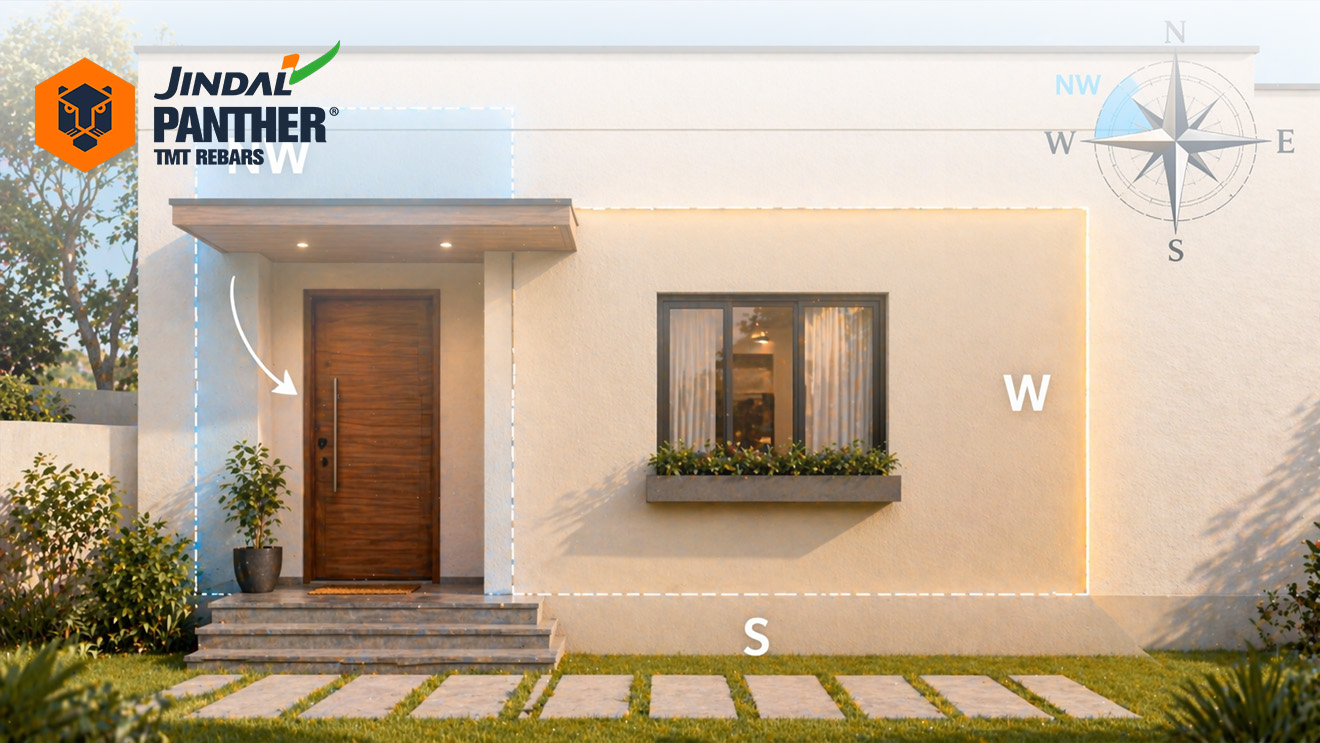
The entrance sets the tone for the entire home. In a west-facing house, placing the main door slightly towards the north-west section of the west wall is generally preferred. This avoids direct exposure to harsh evening sunlight.
It also helps in improving airflow across the house. In real-world homes, entrances that face directly west without any protection often feel hot and uncomfortable by late afternoon.
A small overhang, shade, or even a recessed entry can reduce this effect significantly. It’s a simple design move, but one that improves daily comfort without much extra cost.
Living Room Placement
The living room is usually busiest in the evening. That’s exactly when west-facing sunlight is the strongest. So placing the living room towards the north or north-east side works better.
These areas stay relatively cooler and receive softer light.
If the living room has to be on the west side, adjustments become important:
- Use curtains or blinds that block heat
- Add indoor plants near windows
- Choose light-coloured walls and furniture
Many homeowners realise this late, when the room starts feeling stuffy every evening. Planning it early avoids that discomfort altogether and helps create the best time to start construction planning strategy before the layout is finalised.
Bedroom Placement
Bedrooms need to feel calm and restful, especially at night.
In west facing house vastu, the south-west direction is considered suitable for the master bedroom.
It offers stability and is less affected by direct sunlight during the day.
Children’s or guest bedrooms can be placed in the north or east parts of the house.
These areas remain cooler and more comfortable, especially during hot afternoons.
Another small but practical tip, avoid placing the bed directly against a west-facing wall that absorbs heat all day.
Even a small gap or a different wall can improve sleeping comfort noticeably. Learn more about optimal sleeping positions and bedroom layouts in our guide to best sleeping direction as per Vastu.
Vastu Tips to Balance Energy in West Facing Homes
Once the layout is in place, smaller design decisions help balance the space further.
This is where west facing house vastu becomes more practical than theoretical.
Structural Planning Tips
A few thoughtful choices during construction or renovation can make a big difference:
1. Use materials that handle heat well
West-facing walls take the maximum sunlight.
Using strong, well-finished cement-based surfaces helps reduce long-term damage and improves durability.
It also slows down heat absorption compared to poorly finished walls.
2. Add shading elements
Sunshades, chajjas, or vertical screens can block direct sunlight before it hits the walls.
This keeps indoor spaces cooler without increasing energy use. While planning the structure, it’s also smart to estimate TMT bars for your home early to ensure proper strength and material planning.
3. Improve cross-ventilation
Good airflow is one of the simplest ways to balance heat.
Windows placed on opposite sides allow hot air to escape and cooler air to enter.
Even a small ventilator can make a noticeable difference.
4. Choose lighter exterior colours
Dark colours absorb heat quickly.
Lighter shades reflect sunlight and help keep interiors cooler.
This is especially useful for west-facing outer walls. Choosing the right wall colours can further enhance the balance of your home. Explore our guide to Vastu colours for home interior and exterior.
5. Place heavier elements wisely
Storage units, staircases, or thicker walls can be placed towards the south-west.
This creates a sense of balance and also helps in managing internal temperatures.
6. Use greenery as a natural barrier
Plants and trees on the west side act like a shield against harsh sunlight.
A shaded wall always stays cooler than one directly exposed to the sun.
7. Keep spaces uncluttered
Clutter blocks airflow and traps heat.
An open, organised layout naturally feels lighter and more breathable. These aren’t complicated changes. They’re simple adjustments that respond directly to how the home is used every day.
A Small Reflection
Direction alone doesn’t define comfort, two homes facing the same direction can feel completely different.
One may feel hot, cramped, and difficult to use and the other may feel open, balanced, and easy to live in.
The difference usually comes down to planning.
West facing house vastu works best when seen as a guide, not a restriction. It helps align design decisions with real conditions; sunlight, airflow, and daily routines.
When those basics are handled well, the house naturally starts feeling more comfortable.
A west-facing house doesn’t need to be avoided. It needs to be understood. Once the design starts responding to sunlight and space in the right way, the home begins to feel balanced on its own.
FAQs on West Facing House Vastu
Q. Is a west-facing house suitable for families?
Ans. Yes, it can be very comfortable if planned properly with attention to layout and ventilation.
Q. Why do west-facing homes feel hotter?
Ans. They receive strong afternoon sunlight, which increases heat buildup if not managed well.
Q. What is the best position for the entrance?
Ans. The north-west section of the west-facing wall is generally preferred for the main door.
Q. How can heat be reduced in such homes?
Ans. Using shading elements, light colours, proper materials, and good ventilation helps control temperature.
Q. Where should the living room be placed?
Ans. North or north-east areas are ideal to keep the space cooler and more comfortable.
Q. Is it necessary to follow vastu strictly?
Ans. Not strictly. Even basic adjustments based on vastu can improve comfort and usability.
Q. Can small apartments follow these principles?
Ans. Yes, even simple changes like furniture placement and airflow improvements can make a difference.


